Securing a Historic Charleston Home: What a Locksmith Company Can Do Without Harming Original Hardware
Owning a historic home in Charleston, SC, comes with real security challenges, and a qualified locksmith company can address them without touching the character that makes those homes special. Downtown Charleston neighborhoods like Ansonborough, Harleston Village, and the French Quarter are filled with pre-Civil War architecture, and the original door hardware on those homes is often irreplaceable. Homeowners in these areas regularly wrestle with a difficult question: how do you make an old house safer without stripping away what makes it historic? The good news is that modern lock service techniques have evolved to meet exactly that need.
Why Historic Charleston Homes Require a Different Security Approach
Historic homes need specialized care from the start. Choosing the right locksmith company for this work matters more than most homeowners realize. The locks, hinges, escutcheons, and mortise hardware found on 19th-century Charleston homes were built to a completely different standard than modern hardware. Many use skeleton key systems, cast iron components, or ornate brass fittings that are no longer manufactured. Forcing a standard modern lock into an antique door can split aged wood, strip original screw holes, or crack decorative trim that cannot be replicated.
Charleston County also falls under guidelines from the State Historic Preservation Office (SHPO), and properties listed on the National Register of Historic Places may face additional review requirements before structural modifications. A locksmith company in Charleston, SC, that understands these local constraints can help homeowners stay compliant while still improving security.
Can You Rekey an Antique Lock?
Rekeying an antique lock is often possible without replacing it. A skilled locksmith can assess the internal mechanism of an older mortise or warded lock and, in many cases, reconfigure the pins, levers, or warding pattern so that old keys no longer work. This is especially useful after purchasing a home on Meeting Street or King Street, where previous owners may have had multiple key copies in circulation.
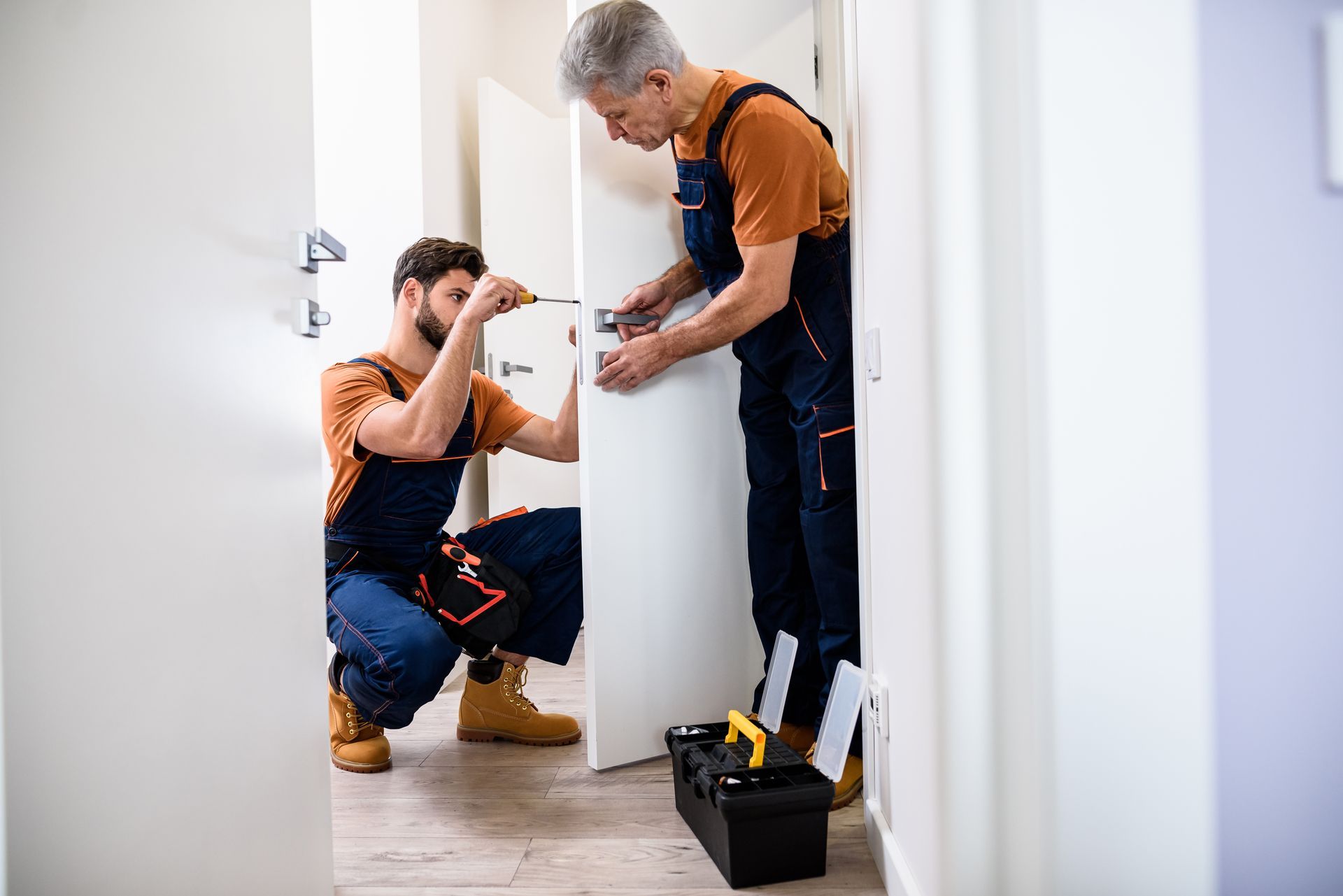
Rekeying preserves the original hardware entirely. There is no drilling, no removal of the faceplate, and no damage to the surrounding door. It is one of the most preservation-friendly services a locksmith company can offer, and it can meaningfully improve who has access to your home.
When rekeying is not possible because the internal mechanism is too worn or the lock style is too obscure, a locksmith may recommend repair rather than replacement. Worn springs, broken levers, and corroded cylinders can often be cleaned, lubricated, and fitted with compatible replacement parts sourced from antique lock suppliers or specialty hardware vendors.
How Do I Secure an Old House Without Replacing the Locks?
Several non-destructive methods can strengthen an older home without touching the original hardware at all.
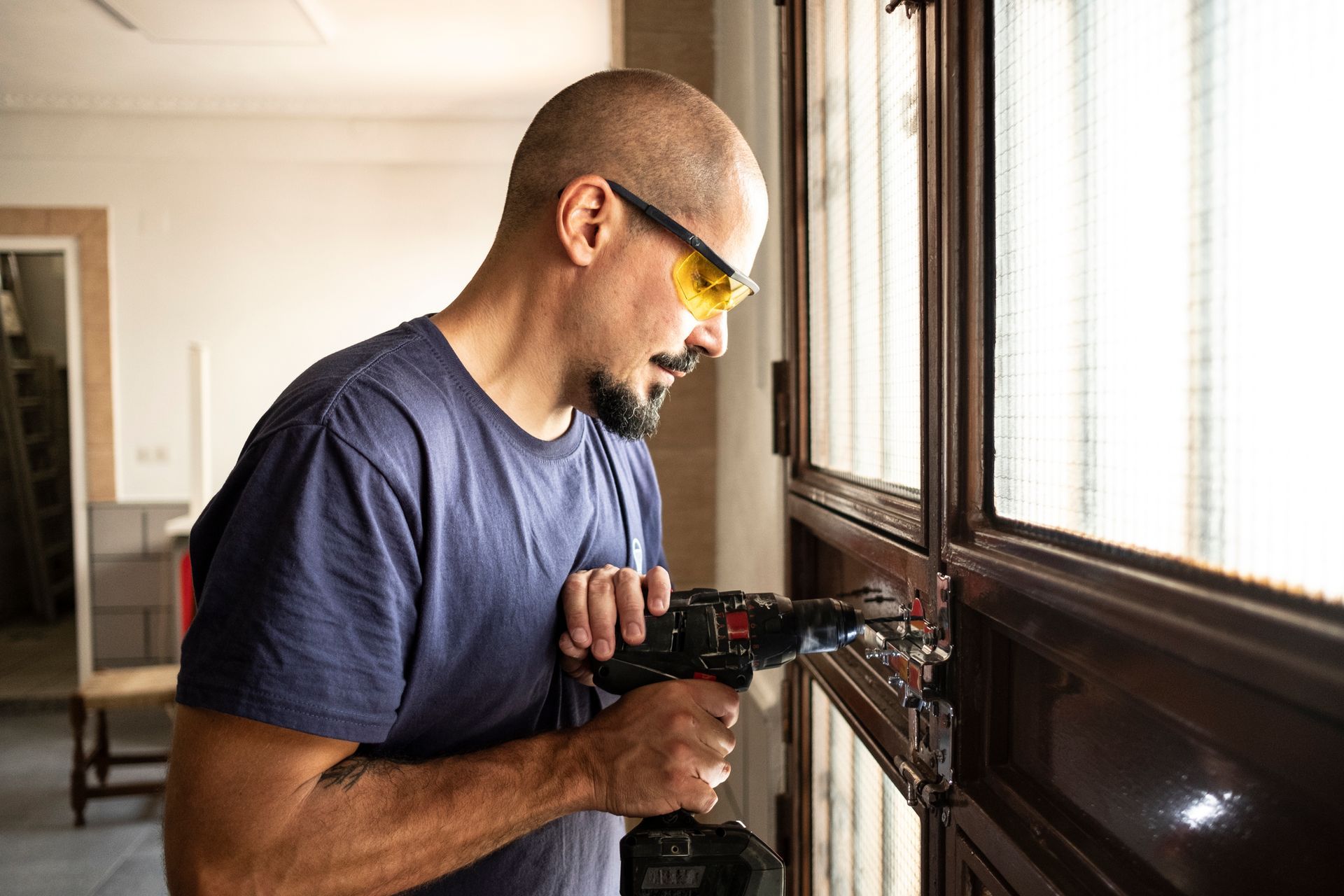
Door reinforcement is a practical starting point. Older Charleston homes sometimes have hollow or thin wooden doors with shallow strike plates. Adding a heavy-duty strike plate and longer screws to the existing frame can dramatically improve kick resistance without altering the lock itself.
Secondary locking devices such as surface-mounted slide bolts or chain locks can be added to interior door surfaces. These do not affect original exterior hardware and provide an extra layer of protection, particularly on rear garden doors or basement entries common in Charleston's single-house style architecture.
Window locks are another area where a locksmith company can help without causing damage. Sash locks for double-hung windows, which are abundant in historic Charleston homes, can be added or upgraded with minimal impact on original painted surfaces or wood frames.
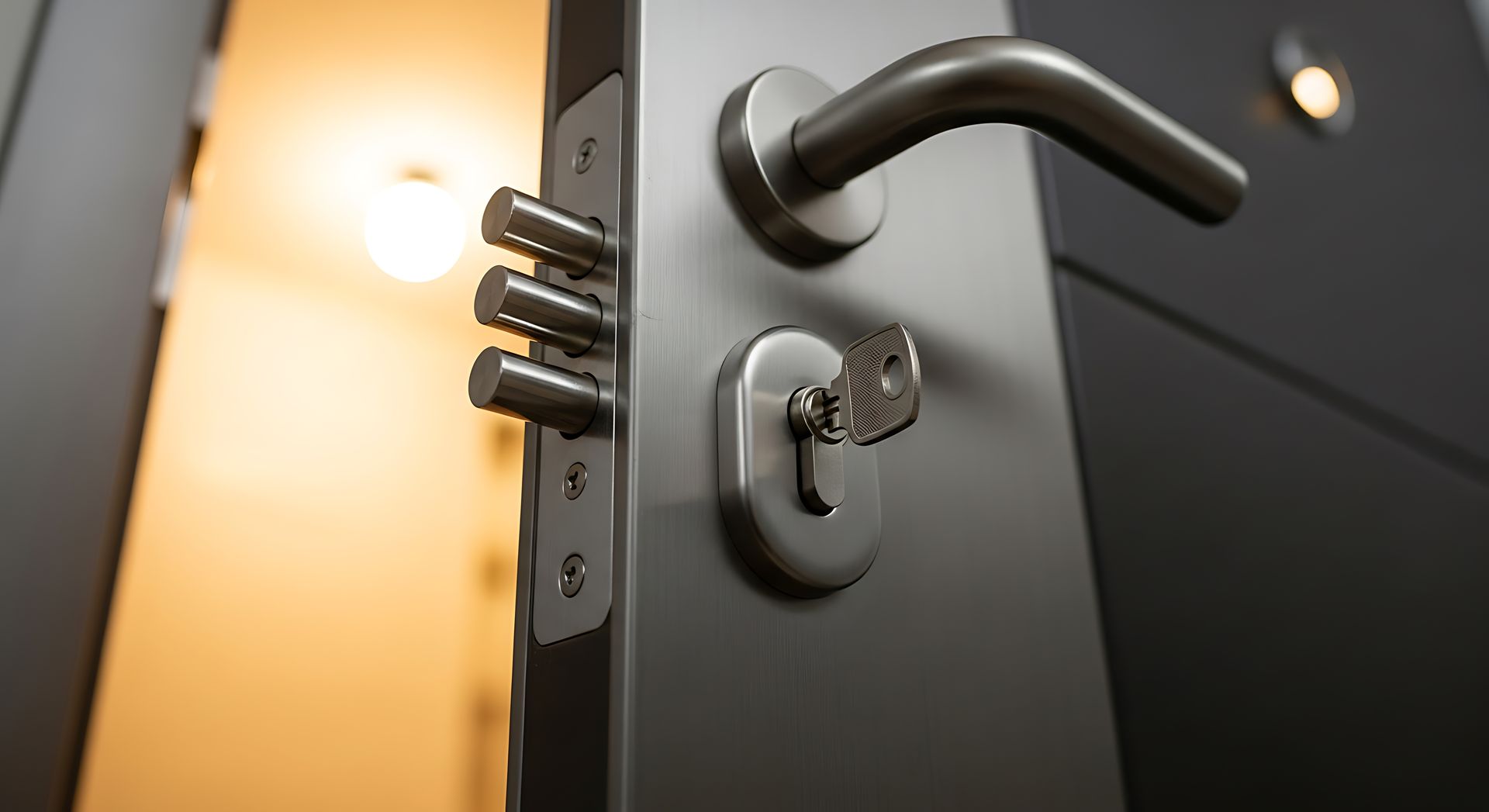
High-security cylinders are sometimes compatible with existing antique lock bodies. A locksmith can measure the mortise cavity and determine whether a modern cylinder can be fitted inside the original housing, giving the homeowner modern key control while keeping the period-appropriate exterior appearance intact.
When Should You Repair Versus Replace?
Repair is the right call when original hardware still functions, has historic or aesthetic value, or is located on a door visible from the street. Replacement makes more sense when a lock mechanism is so far gone that repair would cost more than the hardware is worth, or when a door handles a high-traffic entry point that demands certified security ratings.
A good locksmith company will give an honest evaluation of each lock rather than defaulting to replacement. On interior doors, garden gates, and secondary entrances, repair almost always makes more sense in a historic home. On primary entry doors where daily security is critical, a locksmith may recommend fitting a compatible modern deadbolt in a location that avoids the original mortise, or adding a smart lock adapter that works with the existing handle set.
What Is a Mortise Lock and Why Does It Matter?
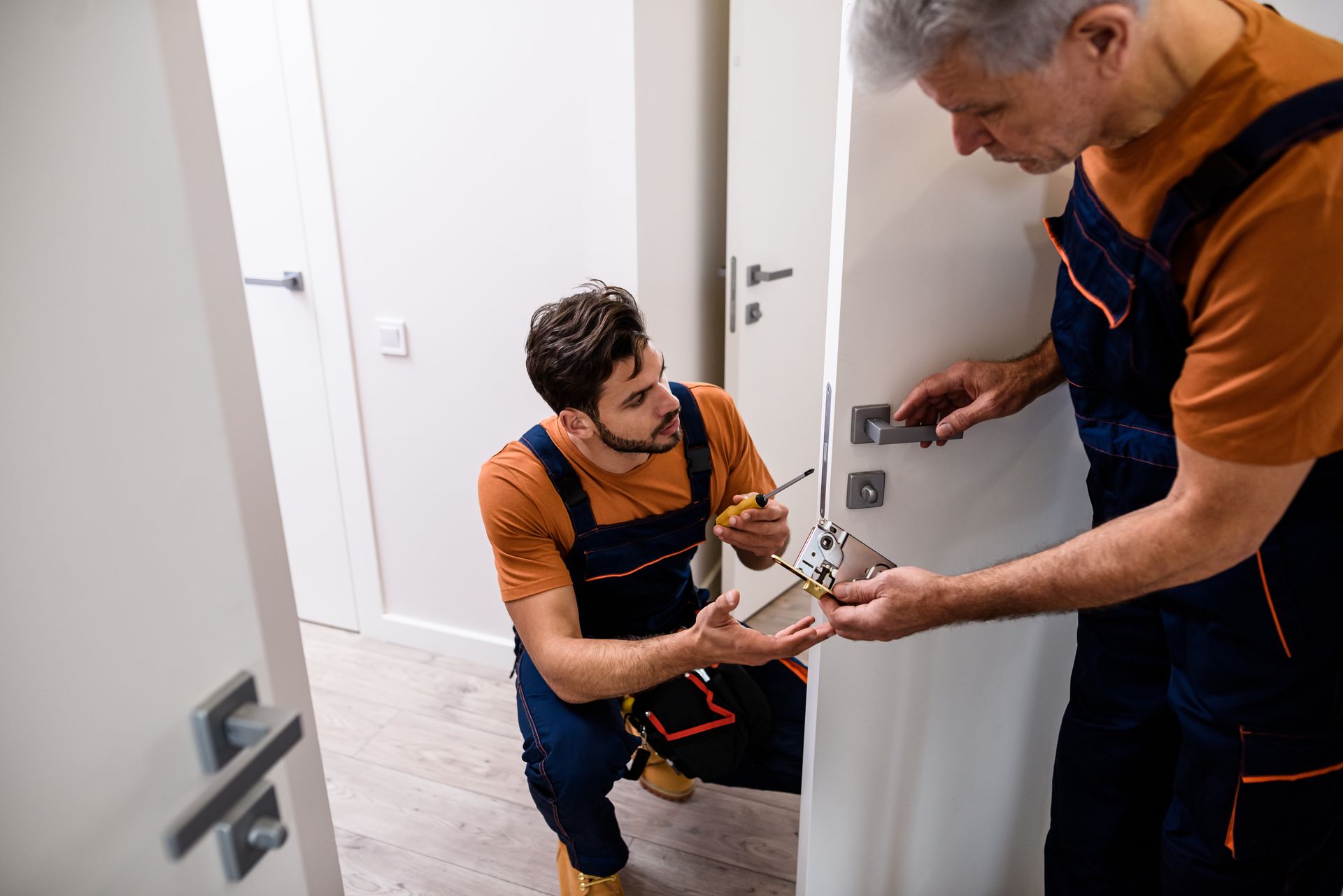
A mortise lock is a lock mechanism set into a pocket cut into the door's edge rather than mounted on its surface. Most historic Charleston homes use mortise locks, which are more robust than modern cylindrical locks but require a specialist to service correctly.
Are Electronic Locks Compatible With Historic Doors?
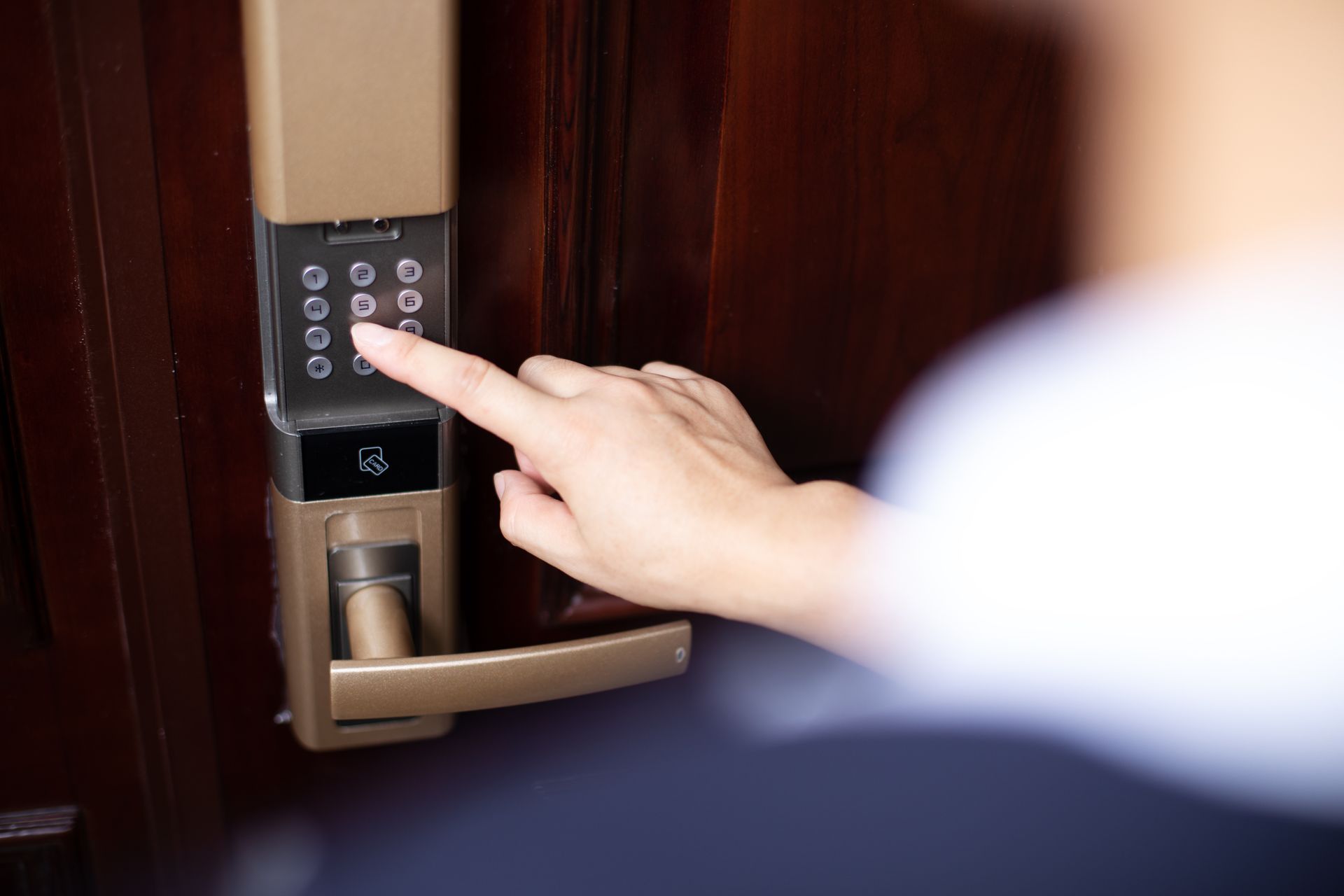
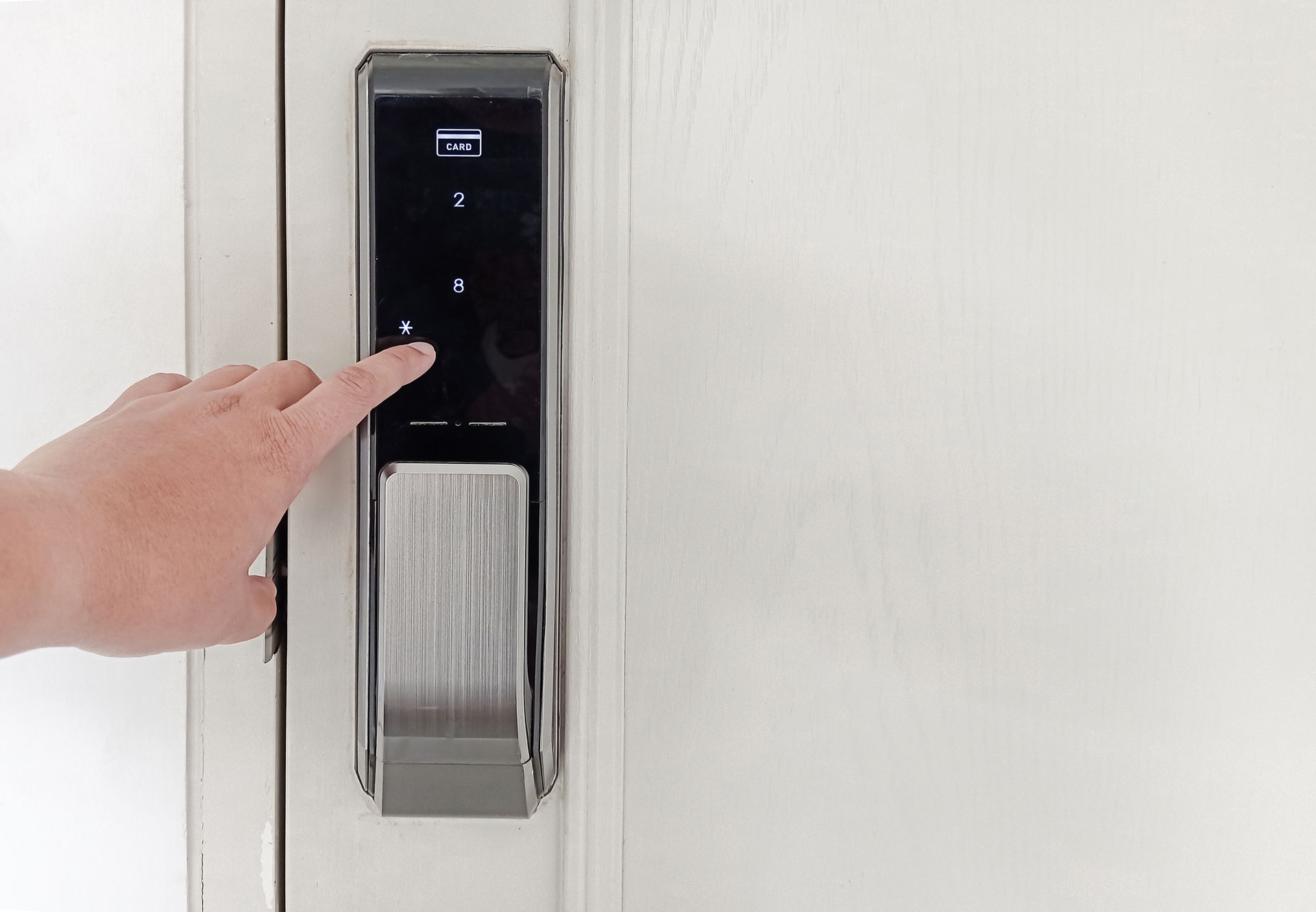
Some electronic lock systems can be installed on the interior side of a historic door without any visible exterior modification. This allows keypad or app-based entry while keeping the original knob, plate, and escutcheon facing the street.
Ready to Protect Your Historic Charleston Home?
Securing an older home does not mean sacrificing its character. The right locksmith company can evaluate your hardware, recommend the least invasive solution, and carry out the work without leaving a trace on your original finishes. Jantzen Lock & Safe Co has been serving Charleston homeowners since 1864 and knows firsthand how much original hardware matters in this city. To learn more about available options, visit the residential locksmith services page, or contact the team to schedule a visit. Call (843) 722-8282 to speak with a specialist today.